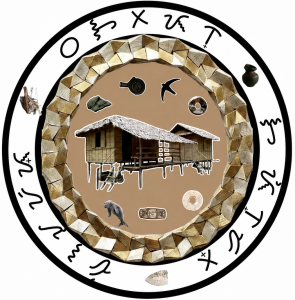
Based on oral traditions, we were taught that Batacalan was the old name of present-day Barangay Villa Paz. However, historical records indicate that the pre-colonial center of Batacalan was actually located in present-day Sitio Santa Monica, Barangay Sibaltan. Batacalan was the name of a Tagbanua trading community situated in what is now Sitio Santa Monica….
Tag: Sibaltan
Brief History of El Nido
The earliest known human settlement in El Nido dates back to around 12,000 BC in Dewil Valley, located in present-day Barangay New Ibajay on the eastern coast. The inhabitants of this period were already using stone tool technology. Evidence from the same site also reveals the earliest known cremation practices, dated between 9,000 and 7,000…
Magsaysay Wins 2nd Crown During the 7th Miss Cuyonon
This year, nine candidates vied for the title of Miss Cuyonon, also known as Miss Cuyonon-Palawan. The contenders included two from Cuyo, two from Magsaysay, three from El Nido, one from Araceli, and one from Linapacan. They participated in cultural education sessions on May 14, followed by the preliminary competition on May 16. On May…
Cuyonon Ati-Atihan Highlights Alakayo During the 6th Pamaragua Festival
It was the first time that Cuyonon Ati-Atihan, instead of normal Cuyonon street dancing, was featured in the celebration of Pamaragua Festival in Bgy. Sibaltan. The said festival started on May 7 with a parade and culminated on May 19, 2024 with the Cuyonon Ati-Atihan competition. The other events during the said festival are Cuyonon…
Cultural Mapping 2022
As El Nido continues a steady climb to tourism industry’s recovery, the Heritage Tourism Division of the Municipal Tourism Office was able to conduct Cultural Mapping Workshops in 4 barangays, namely, Sibaltan, Bagong-Bayan, Villa Libertad and San Fernando. The activities were in line with municipality’s Culture and Arts Plan for 2022-2026. Cultural Mapping aims to…
Pangko Maritime Museum
Pangko or “sakayan” is the traditional boat of the Cuyonons, an ethno-linguistic group that originated from Cuyo Island in the province of Palawan. During the Pre-Spanish period, when agricultural areas in Cuyo Island could no longer support its growing population, the Cuyonons used Pangko to reach Paragua, the modern day Palawan Island, to plant rice….

