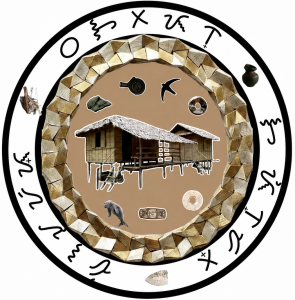
The earliest known human settlement in El Nido dates back to around 12,000 BC in Dewil Valley, located in present-day Barangay New Ibajay on the eastern coast. The inhabitants of this period were already using stone tool technology. Evidence from the same site also reveals the earliest known cremation practices, dated between 9,000 and 7,000…
Tag: Cuyonon
El Nido’s Initial Culinary Map
The cultural mapping workshops for each barangay concluded on July 17, 2025. As a result, all 18 barangays now have their own destination symbols. These symbols provide each community with a foundation for tourism promotions, tour designs, and festival concepts. However, one important task for the Heritage Tourism Division remains unfinished—the completion of the municipality’s…
Cuyonon Ati-Atihan Highlights Alakayo During the 6th Pamaragua Festival
It was the first time that Cuyonon Ati-Atihan, instead of normal Cuyonon street dancing, was featured in the celebration of Pamaragua Festival in Bgy. Sibaltan. The said festival started on May 7 with a parade and culminated on May 19, 2024 with the Cuyonon Ati-Atihan competition. The other events during the said festival are Cuyonon…
Pareng-Pareng
Pareng-Pareng is a ritual of Cuyonon Catholics during Holy Wednesday. There are two barangays with confirmed practice of this ritual, namely Sibaltan and Bucana. The practice has discontinued because of the introduction of the rites that are in accordance with the new approved liturgy. During Pareng-Pareng there are 7 candles in the altar that is…
Barangay Destination Symbols
The Municipal Tourism Office of El Nido was involved in 11 cultural mappings in 9 barangays, namely, Sibaltan, New Ibajay, Barotuan, Pasadeña, Buena Suerte, Manlag, Mabini, Teneguiban and Villa Paz. The first involvement was in 2012, in support to the cultural mapping conducted by Lace Thornberg in Sibaltan. Another one in 2016 was in partnership…

