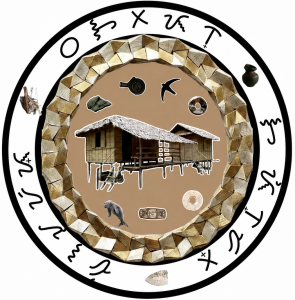
The cultural mapping workshops for each barangay concluded on July 17, 2025. As a result, all 18 barangays now have their own destination symbols. These symbols provide each community with a foundation for tourism promotions, tour designs, and festival concepts. However, one important task for the Heritage Tourism Division remains unfinished—the completion of the municipality’s culinary map.
While Nido Soup has been recognized as the signature traditional dish of the entire municipality, the recently concluded cultural mapping and ongoing field research have identified nine barangays with their own signature traditional dishes. These barangays are Manlag, Aberawan, Bagong Bayan, Mabini, Sibaltan, Barotuan, Pasadeña, Bucana, and Villa Paz.
This research is significant to El Nido’s efforts to diversify its culinary offerings, particularly in rural barangays. These dishes not only give guests more options but also reflect the culture and food preferences of each destination—shaped by local ethnicity, environment, and the waves of migration throughout the municipality’s history.
Identified Signature Traditional Dishes per Barangay:
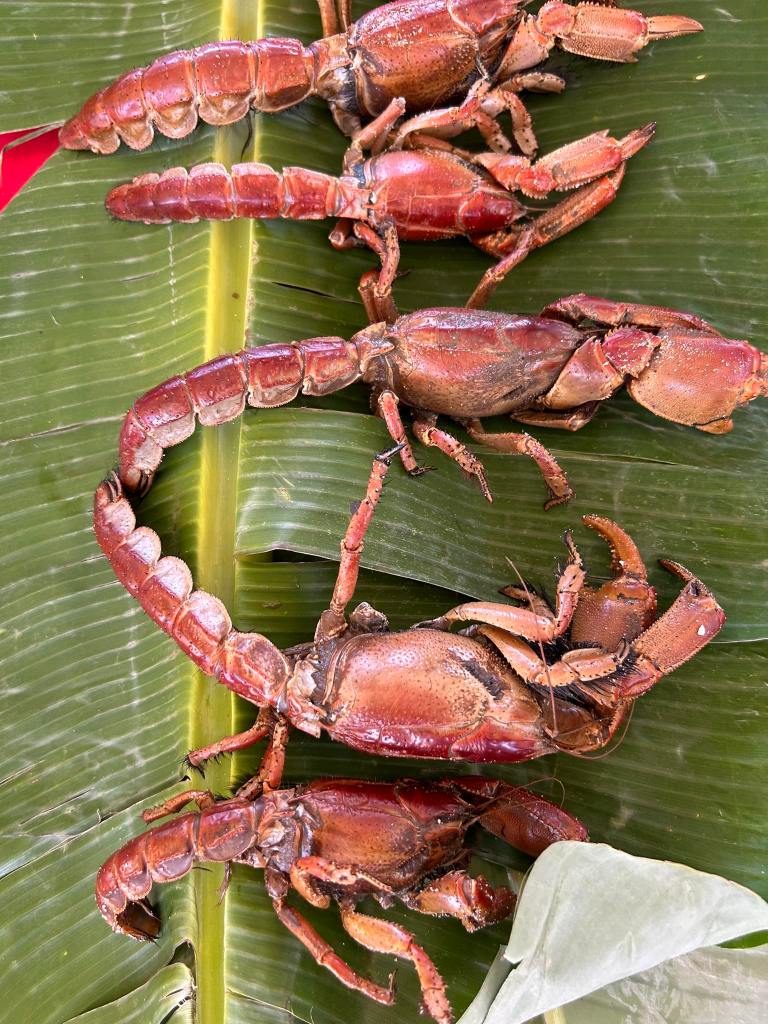
Manla (Manlag). Manla is a type of mud crayfish that became the signature dish of Barangay Manlag. Its cultural connection to the community is so strong that it is believed that the barangay itself was named after the crayfish. While manla is found in other parts of El Nido and Palawan, Manlag’s proximity to El Nido’s town center made selling manla more profitable there than in other barangays. Furthermore, being the origin of the barangay’s name makes it special to the residents of Manlag. In fact, they launched their Manla Festival on February 1, 2025.
Manla can be prepared with coconut milk (ginataan) or simply boiled with vegetables (sinabawan). When lemon is added to sinabawan, it becomes inasleman. Manla was recently featured on the television show Kapuso Mo, Jessica Soho (KMJS) on August 3, 2025.
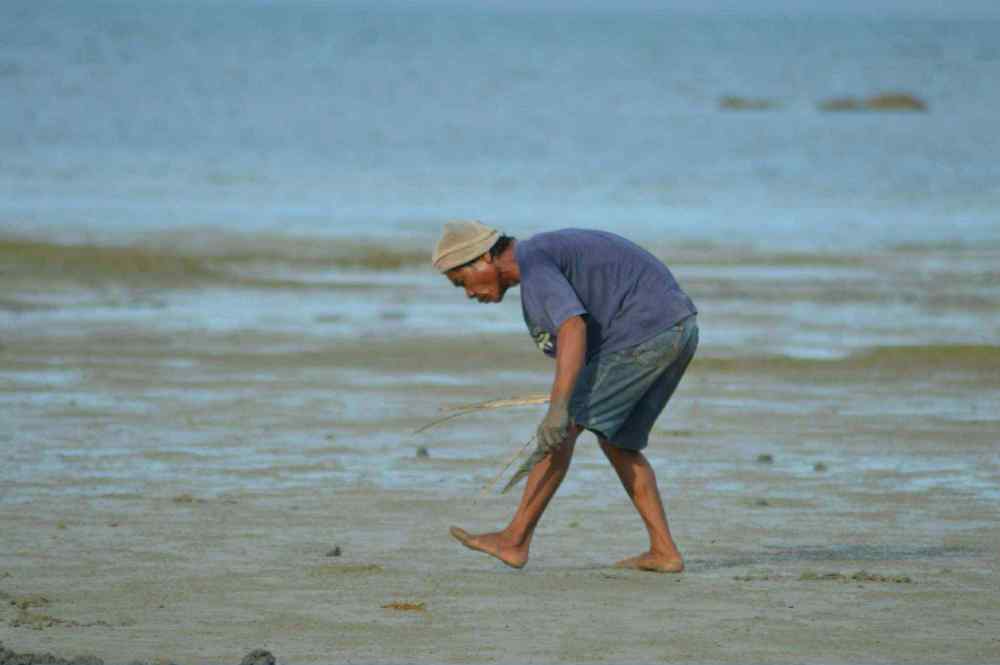
Bilaog (Aberawan). Bilaog is a type of seashell abundant in the mudflats of Aberawan. It is a unique culinary tradition, as Aberawan is the only community in El Nido that actively collects and consumes it. Found buried about half-a-meter deep in the sand, bilaog has long been served as both a local food staple and a source of livelihood. It is typically prepared either as adobo or sinabawan (soup).
Korot (Bagong Bayan). Korot is a type of root crop traditionally eaten by the Tagbanuas and Cuyonons of El Nido. In Bagong Bayan, it holds special significance because the barangay’s former name, Nami, is the Tagbanua word for korot. Preparing korot is labor-intensive, requiring toxins to be removed by first soaking it in seawater, then rinsing it with running water. Once ready, it is cooked either sinangag-style (fried) or with coconut milk (ginataan).
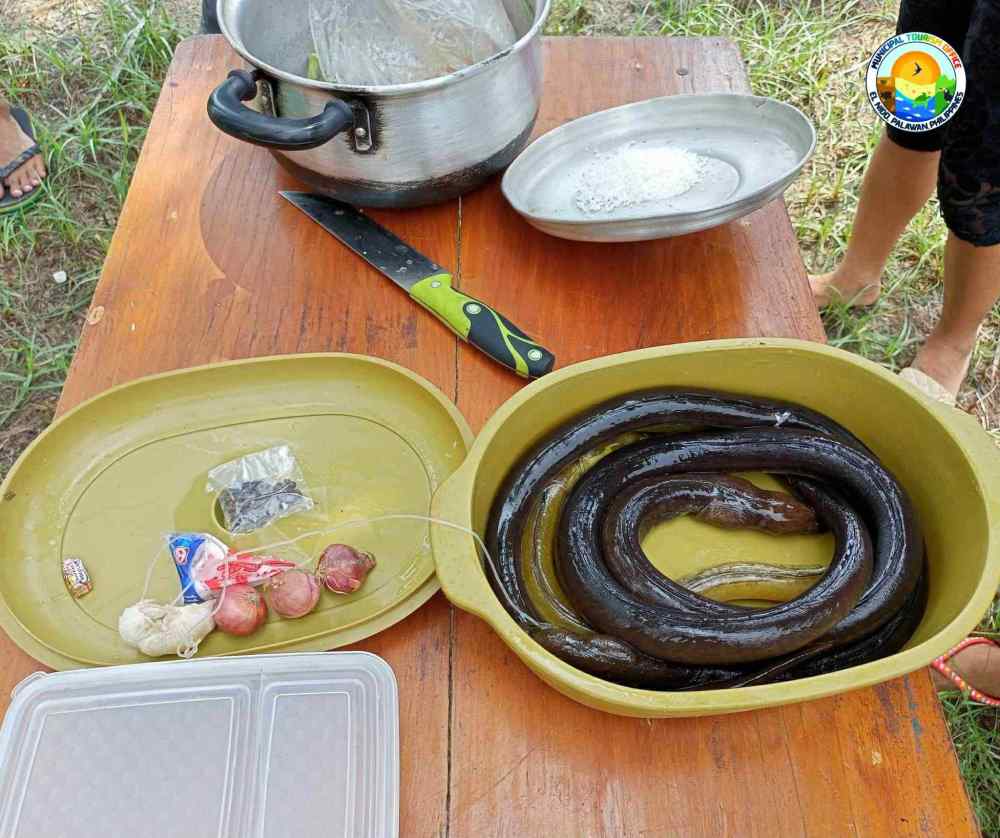
Ogdok (Mabini). Ogdok is a type of eel found in mangrove areas and is the signature traditional dish of Mabini. While ogdok can be found in other barangays, it is often used solely as bait. In Mabini, however, it is both a fishing bait and a valued delicacy. It is best enjoyed cooked in coconut milk (ginataan).
Wak-Wak (Sibaltan). Wak-wak is a type of sandworm that thrives in mudflats. While it is commonly used as fish bait, it can also be prepared as adobo, eaten raw by soaking it in vinegar (kinilaw), or fried. The vast mudflats of Sibaltan during low tide make the area ideal for harvesting wak-wak.
Linapay (Barotuan). Linapay is the signature traditional dish of Barotuan, introduced by Aklanon migrants in the 1960s. It consists of vegetables mixed with ginger and onions, wrapped in taro leaves, and cooked in coconut milk. Linapay gained wider attention when it was featured on the GMA 7 television program Byahe ni Drew on August 20, 2024.
Karawkaw (Pasadeña). Karawkaw is abundant in the sitios of Lamuro and Cagbatang in Barangay Pasadeña. Although it can be found in other parts of El Nido, Pasadeña is known for having the richest supply, making the barangay almost synonymous with this type of seafood. It is typically prepared either as ginataan or sinabawan.
Tanubong (Bucana). Tanubong, once a favored delicacy in Bucana, is a type of root crop that grows along the beaches of El Nido. In Bucana – home to some of the municipality’s finest beaches – the root crop is traditionally processed into flour.
Peye (Villa Paz). Peye is a small crab that is both a favorite delicacy and a livelihood source in Villa Paz. While it can also be found in other mangrove areas of El Nido, the people of Villa Paz are the most active gatherers. Peye is often sold in nearby Sibaltan, an emerging tourist destination.
Although the culinary map remains incomplete, the Heritage Tourism Division has begun training certain communities to incorporate these traditional dishes into the design of their cultural tours. Several other barangays still require further assessment and validation before the culinary map of El Nido can be finalized.
The local government aims to empower communities to share their stories through food while diversifying the municipality’s tourism offerings. This initiative also seeks to ease the strain on coral reefs caused by heavy tourist activity, guiding visitors toward more sustainable ways of experiencing local culture.
Some of these dishes are already featured in community festivals, such as the Manla Festival and the Nami Festival, while another festival centered on a traditional dish is being planned for future launch.

