
Thirteen (13) barangays in the Municipality of El Nido have confirmed the schedules of their respective festivals for the year. These barangays are Aberawan, Barotuan, New Ibajay, Manlag, Teneguiban, Pasadeña, Bebeladan, Mabini, Corong-Corong, Bucana, Bagong Bayan, San Fernando, and Villa Paz. These celebrations are held alongside the municipality-wide festivals, namely Pamaragua Festival in Sibaltan, and the Taraw, Kalugtan, and Balinsasayaw Festivals in Maligaya.
Several festivals have already been conducted early in the year. Talindak Festival was held in Aberawan on January 17–19, 2026, followed by the Ati-Atihan Festival on January 18, 2026 in Barotuan. The Carabao Festival of New Ibajay is scheduled from January 31 to February 1, 2026. Lined up for February are the Manla Festival on February 1–2, 2026 in Manlag, the Amihan Festival on February 4, 2026 in Teneguiban, and the Urugyawan Festival on February 10, 2026 in Pasadeña. Beregsayan Festival of Bebeladan will take place on March 26–28, 2026. Pagampo Festival is set on April 7, 2026 in Mabini, while the Kalugtan Arts Festival will be held on April 20–22, 2026 in Maligaya, followed by the Diuail Arts and Crafts Festival in New Ibajay on April 23, 2026. Another Amihan Festival will be celebrated in Corong-Corong on May 4, 2026. Yamang Dagat Festival will be held in Bucana on May 7–9, 2026, Mangongoma Festival on May 15, 2026 at Barotuan and the Pamaragua Festival in Sibaltan on May 18, 2026. Nami Festival is scheduled on May 25, 2026, while Depunay Festival will take place on May 30, 2026 in San Fernando. Bacauan Festival of New Ibajay is expected during the second week of July. The Taraw Festival of Maligaya will be celebrated on October 2–4, 2026. Balinsasayaw Festival will be held during the first week of December, and the final festival of the year, Kabilaw Festival of Villa Paz, will take place on December 9, 2026.
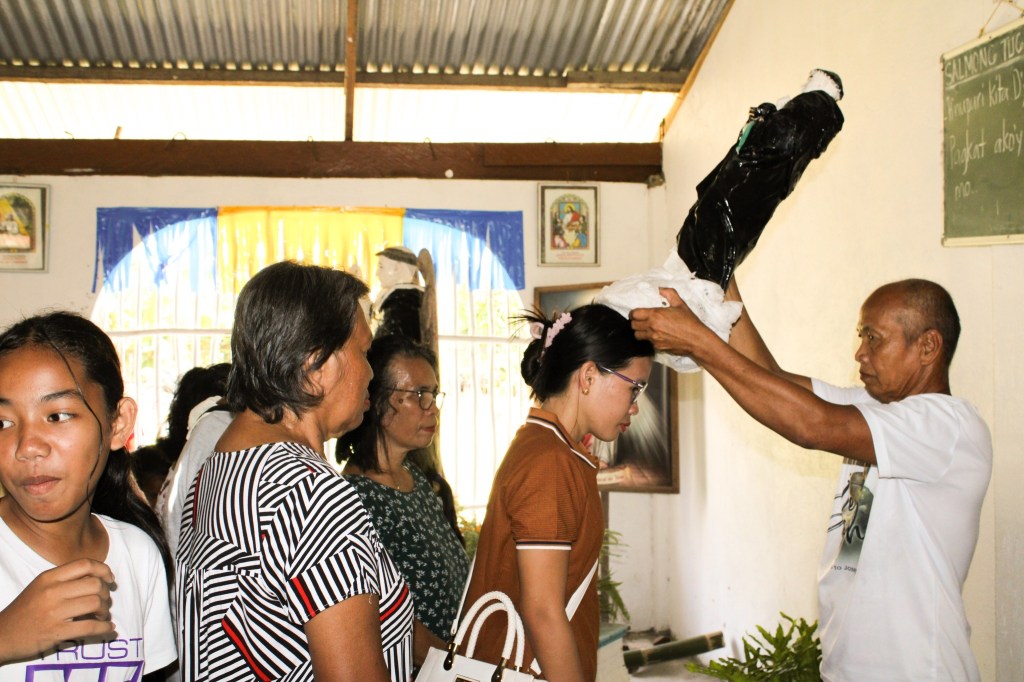
Each festival reflects the unique culture, history, and livelihood of its respective barangay. Talindak Festival highlights Aberawan’s history as the origin of the Tagbanua community known as Talindak, which eventually developed into the present-day town of El Nido. Ati-Atihan Festival in Barotuan traces its roots to Aklanons who brought the tradition from their home province. The Carabao Festival showcases the annual carabao races that are part of New Ibajay’s farming traditions. Manla Festival celebrates the mud crayfish that provided livelihood to Manlag residents and later became the origin of the barangay’s name. The Amihan Festival in Teneguiban reflects preparations for a festival renaming next year to “Amianan,” a Cuyonon term for “north,” to distinguish it from the Amihan Festival of Corong-Corong. “Amihan” refers to the northeast monsoon season.
Urugyawan Festival reflects Pasadeña’s traditional way of communicating by shouting across distances, a practice rooted in the barangay’s early settlement pattern. Beregsayan Festival highlights the fishing way of life in Bebeladan, with “beregsayan” being a Cuyonon term meaning “paddling event.” Pagampo Festival in Mabini derives its name from the Cuyonon word for “act of prayer” and reflects the barangay’s religious devotion to its patron saint, St. Vincent Ferrer. Kalugtan Arts Festival honors Mother Earth through various art workshops, with its name originating from the Cuyonon word lugta, meaning “earth.” Diuail Arts and Crafts Festival commemorates the earliest known name of New Ibajay and promotes arts training to honor the barangay’s history.
The Amihan Festival of Corong-Corong reflects seasonal livelihoods associated with the northeast monsoon, particularly the gathering of edible bird’s nests from November to April. Yamang Dagat Festival celebrates Bucana’s fishing culture, while Mangongoma, the Aklanon word for “farmer,” highlights the Aklanon farming culture. Pamaragua Festival commemorates the migration of Cuyonon settlers from Cuyo Island to mainland Palawan. Nami Festival takes its name from a Tagbanua word for a poisonous yam that is traditionally processed and consumed by the indigenous people of Bagong Bayan. Depunay Festival refers to the oldest known name of San Fernando, derived from the abundance of punay birds and the barangay’s deep river. Bacauan Festival highlights New Ibajay’s extensive mangrove areas, with “bacauan” being a Cuyonon term for mangrove. Balinsasayaw Festival celebrates the swiftlet, locally known as balinsasayaw, and recognizes El Nido’s identity as a major source of edible bird’s nests. Kabilaw Festival of Villa Paz honors the flying fox, locally known as kabilaw, which is abundant in the area.
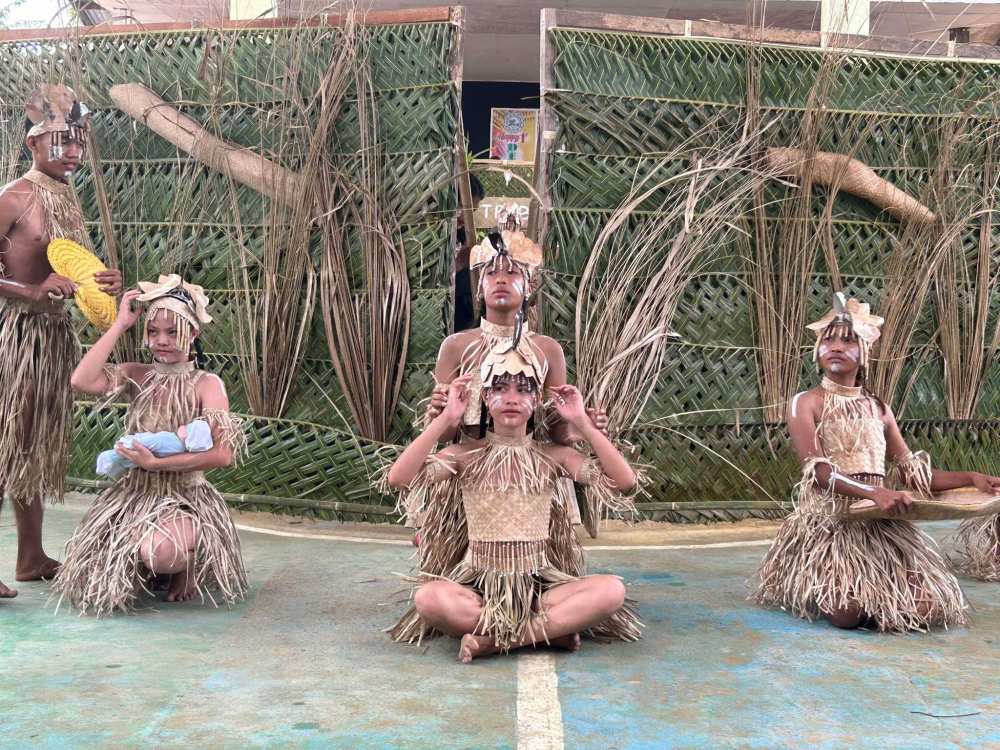
These festivals aim to safeguard and celebrate the distinct cultural identities of each barangay while simultaneously expanding and diversifying tourism offerings, with particular emphasis on rural communities that are often less visible in mainstream tourism. By highlighting local traditions, practices, and community narratives, the festivals strengthen cultural pride at the grassroots level and encourage more inclusive and sustainable tourism development. This approach aligns with the brand positioning of the municipality, which emphasizes authentic, community-based, and culture-driven tourism experiences. In support of these objectives – boosting tourism while ensuring the preservation and transmission of local culture – the Eco-Tourism Development Fee (ETDF) Management Board approved a total allocation of Php 9,500,000 to fund this year’s festivals, Php 6,000,000 for Balinsasayaw Festival, Php 1,000,000 for Pamaragua Festival, Php 1,000,000 for Kalugtan Arts Festival and Php 1,500,000 for local festivals.

